
×
 
 Back to all courses

[Feb 2025] ITIL 4 Foundation

0%

Overview

Our funded ITIL 4 Foundation training will:

  • Familiarise beginners with the framework of ITIL 4 service management and the ways it has developed to take on modern services, technologies and working methods,

  • Act as a guide for users to apply in their professional development, work, and further studies.

  • Analyse the ideas of the service management framework to assist candidates in preparing for the ITIL 4 Foundation exam.

ITIL 4 foundation online training will help beginners to understand how ITIL 4 keeps ITIL updated by transforming most of the fixed ITSM practices in the broader context of value streams , digital transformation and customer experience while embracing the most current working methods, such as Agile, Lean, and DevOps. ITIL 4 aims to ensure that IT-enabled services are managed and governed in an effective, integrated, and coordinated manner. The funded ITIL 4 foundation training can be adopted and adapted for all types of organisations and services.

Course Description & Learning Outcomes

Course Outline

  1. Key Concepts of Service Management

    - Utility, Warranty, Service

    - Customer, Sponsor, User,

    - Risks, Value, Costs, Outputs, Outcomes

    - Service Relationship Management & Service Offering

    2) ITIL Guiding Principles

    - Begin where you are

    - Focus on value

    - Advance iteratively with feedback

    - Promote and collaborate on visibility

    - Work and think holistically

    - Keep it practical and simple

    - Automate and optimise

    3) Four Dimensions of Service Management

    - People and organisations

    - Information and Technology

    - Suppliers and partners

    - Processes and Value Streams

    4) ITIL Service Value System – components, purpose

    5) The interconnection of the Service Value Chain and Value Stream\

    6) Key ITIL Practices, their purpose, and contribution to the service value stream

    - Information Security Management

    - IT Asset Management

    - Relationship Management

    - Supplier Management

    - Event and Monitoring Management

    - Release Management

    - Service Configuration Management

    - Deployment Management

    - Incident Management

    - Problem Management

    - Service Request Management

    - Service Desk

    - Service Level Management

    - Continual Improvement

    - Change Enablement

For more information, please click here

Schedule

Start Date: 10 Feb 2025, Monday
End Date: 12 Feb 2025, Wednesday

Duration: 3 Days, 22.5 hours Timing: 9am - 5.30pm

Location: 3 Kallang Jct, #04-02 Vanguard Campus, Singapore 339265, 339265

Pricing

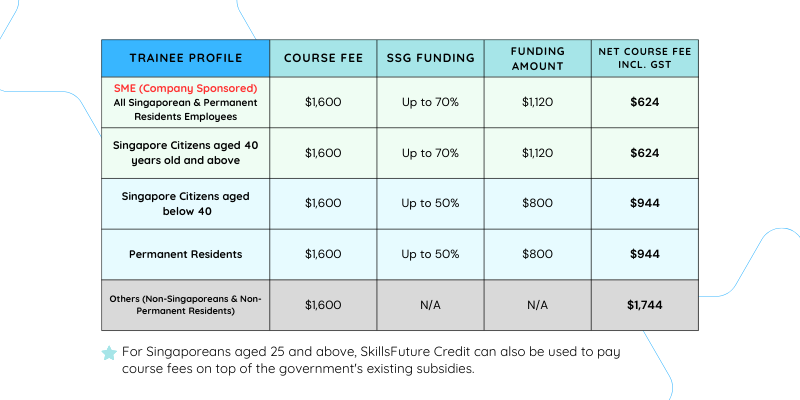
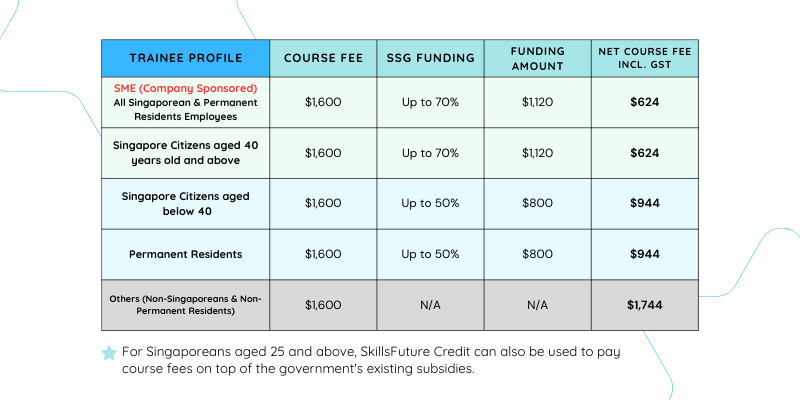
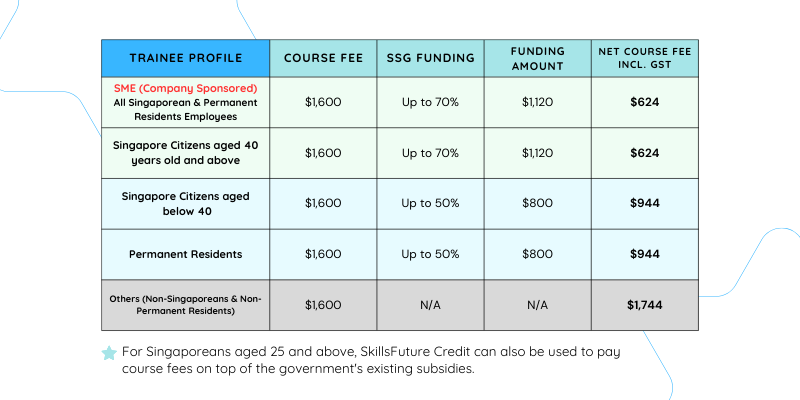
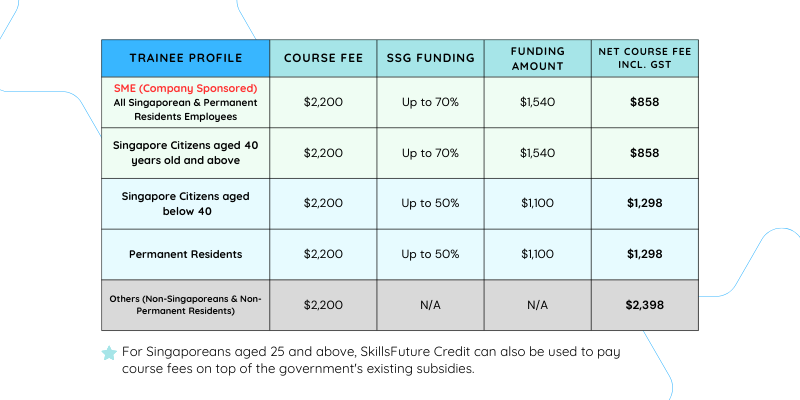
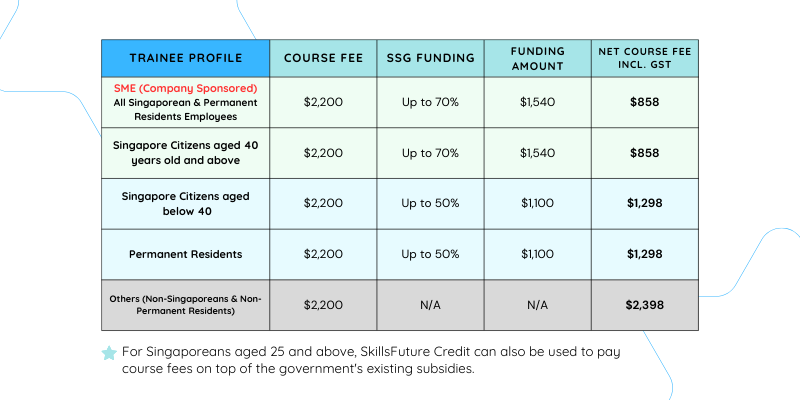
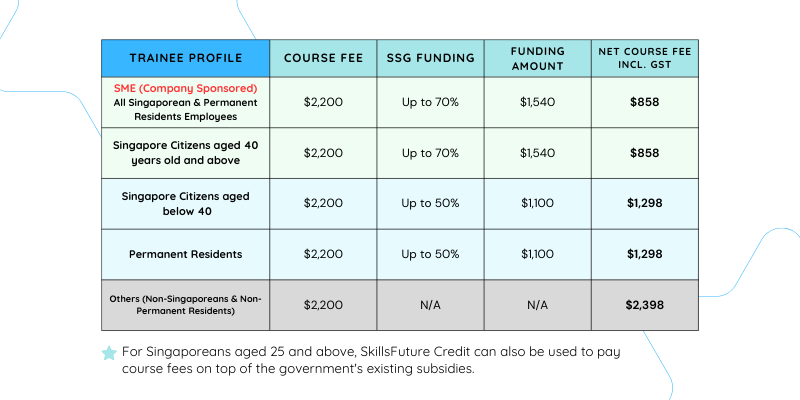
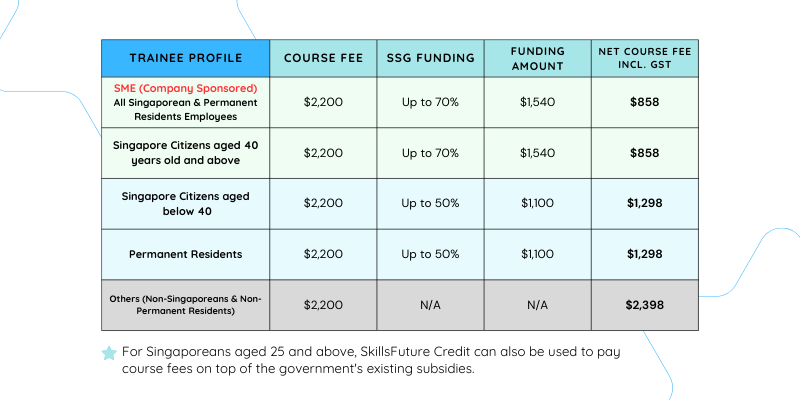
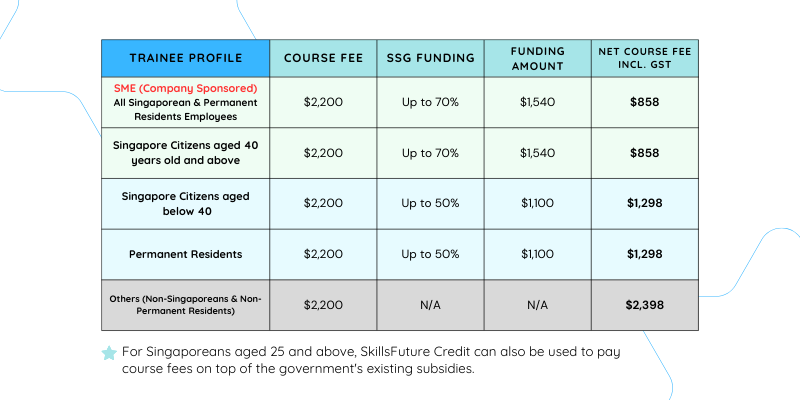
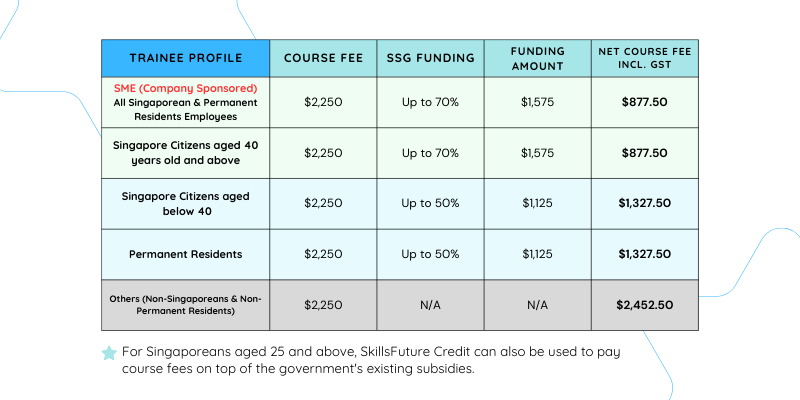
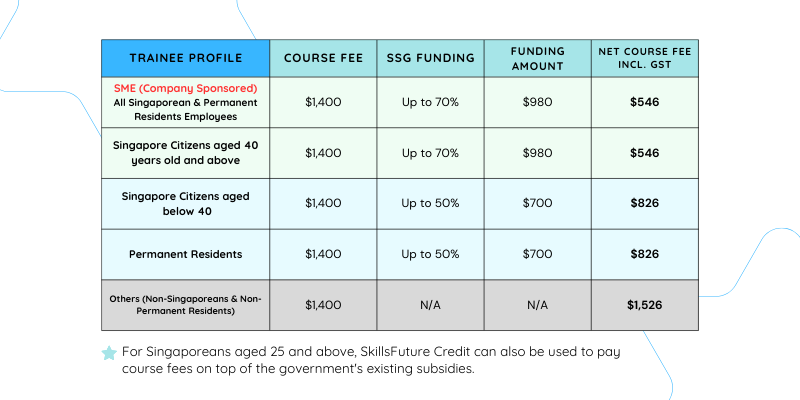
Course fees: If you meet the eligibility criteria, course fees can be subsidised by up to 70%. Moreover, SkillsFuture Credit can be applied to cover course fees in addition to existing government subsidies.
Course Pricing

Skills Covered

PROFICIENCY LEVEL GUIDE
Beginner: Introduce the subject matter without the need to have any prerequisites.
Proficient: Requires learners to have prior knowledge of the subject.
Expert: Involves advanced and more complex understanding of the subject.

  • Information Systems (Proficiency level: Beginner)

 Back to all courses

[Apr 2025] Project Management Professional (PMP)

0%

Overview

Earning a PMP certification in Singapore showcases your expertise and proficiency in project management, making you a valuable asset to clients, employers, and colleagues. Ranked as North America’s top project management certification by CIO Magazine, it reflects your commitment to excellence and high-level execution.

Aspiring individuals who enrol in the project management professional course can gain valuable insights through the interactive PMP Exam Prep Course sessions. Learners thoroughly understand managing projects through case studies, practical exercises, mock tests, and group discussions, ensuring they are well-prepared to obtain the PMP certification in Singapore.

Course Description & Learning Outcomes

Course Outline

  1. Creating a High-Performing Team

    - Build a Team

    - Define Ground Rules For The Team

    - Arrange Project Agreements

    - Empower Stakeholders and Team Members

    - Train Stakeholders and Team Members

    - Support and Engage Virtual Teams

    - Build a Cooperative Understanding of a Project

  2. Starting the Project

    - Establish Appropriate Project Methods/Methodology and Practices

    - Manage and Plan the Scope

    - Manage and Plan Budget and Resources

    - Manage and Plan Schedule

    - Manage and Plan the Quality of Products/Deliverables

    - Merge Project Planning Activities

    - Manage and Plan Procurement

    - Determine Project Governance Structure

    - Manage and Plan Project/Phase Closure

  3. Doing the Work

    - Manage and Assess Risks

    - Carry Out Projects to Distribute Business Value

    - Handle Communications

    - Recruit Stakeholders

    - Create Project Artifacts

    - Manage Project Issues

    - Handle Project Changes

    - Establish Knowledge Transfer to Project Continuity

  4. Keeping the Team on Track

    - Lead a Team

    - Support the Team’s Performance

    - Identify and Eliminate Impediments, Blockers and, Obstacles

    - Manage Internal Conflict

    - Cooperate with Stakeholders

    - Guide Relevant Stakeholders

    - Incorporate Emotional Intelligence to Promote Team Performance

  5. Keeping the Business in Mind

    - Management of Compliance Requirements

    - Evaluate and Deliver Value and Project Benefits

    - Address and Evaluate External and Internal Business Environment Changes

    - Support Organisational Change

    - Employ Constant Process Improvement

Fo more information, please click here.

Schedule

Start Date: 07 Apr 2025, Monday
End Date: 11 Apr 2025, Friday

Duration: 5 Days, 35 hours Timing: 9am - 5pm

Location: 3 Kallang Jct, #04-02 Vanguard Campus, Singapore 339265, 339265

Pricing

Course fees: If you meet the eligibility criteria, course fees can be subsidised by up to 70%. Moreover, SkillsFuture Credit can be applied to cover course fees in addition to existing government subsidies.

Course Pricing

Skills Covered

PROFICIENCY LEVEL GUIDE
Beginner: Introduce the subject matter without the need to have any prerequisites.
Proficient: Requires learners to have prior knowledge of the subject.
Expert: Involves advanced and more complex understanding of the subject.

  • Project Management (Proficiency level: Expert)
 Back to all courses

[Mar 2025] Project Management Professional (PMP)

0%

Overview

Earning a PMP certification in Singapore showcases your expertise and proficiency in project management, making you a valuable asset to clients, employers, and colleagues. Ranked as North America’s top project management certification by CIO Magazine, it reflects your commitment to excellence and high-level execution.

Aspiring individuals who enrol in the project management professional course can gain valuable insights through the interactive PMP Exam Prep Course sessions. Learners thoroughly understand managing projects through case studies, practical exercises, mock tests, and group discussions, ensuring they are well-prepared to obtain the PMP certification in Singapore.

Course Description & Learning Outcomes

Course Outline

  1. Creating a High-Performing Team

    - Build a Team

    - Define Ground Rules For The Team

    - Arrange Project Agreements

    - Empower Stakeholders and Team Members

    - Train Stakeholders and Team Members

    - Support and Engage Virtual Teams

    - Build a Cooperative Understanding of a Project

  2. Starting the Project

    - Establish Appropriate Project Methods/Methodology and Practices

    - Manage and Plan the Scope

    - Manage and Plan Budget and Resources

    - Manage and Plan Schedule

    - Manage and Plan the Quality of Products/Deliverables

    - Merge Project Planning Activities

    - Manage and Plan Procurement

    - Determine Project Governance Structure

    - Manage and Plan Project/Phase Closure

  3. Doing the Work

    - Manage and Assess Risks

    - Carry Out Projects to Distribute Business Value

    - Handle Communications

    - Recruit Stakeholders

    - Create Project Artifacts

    - Manage Project Issues

    - Handle Project Changes

    - Establish Knowledge Transfer to Project Continuity

  4. Keeping the Team on Track

    - Lead a Team

    - Support the Team’s Performance

    - Identify and Eliminate Impediments, Blockers and, Obstacles

    - Manage Internal Conflict

    - Cooperate with Stakeholders

    - Guide Relevant Stakeholders

    - Incorporate Emotional Intelligence to Promote Team Performance

  5. Keeping the Business in Mind

    - Management of Compliance Requirements

    - Evaluate and Deliver Value and Project Benefits

    - Address and Evaluate External and Internal Business Environment Changes

    - Support Organisational Change

    - Employ Constant Process Improvement

Fo more information, please click here.

Schedule

Start Date: 03 Mar 2025, Monday
End Date: 07 Mar 2025, Friday

Duration: 5 Days, 35 hours Timing: 9am - 5pm

Location: 3 Kallang Jct, #04-02 Vanguard Campus, Singapore 339265, 339265

Pricing

Course fees: If you meet the eligibility criteria, course fees can be subsidised by up to 70%. Moreover, SkillsFuture Credit can be applied to cover course fees in addition to existing government subsidies.

Course Pricing

Skills Covered

PROFICIENCY LEVEL GUIDE
Beginner: Introduce the subject matter without the need to have any prerequisites.
Proficient: Requires learners to have prior knowledge of the subject.
Expert: Involves advanced and more complex understanding of the subject.

  • Project Management (Proficiency level: Expert)
 Back to all courses

[Feb 2025] Project Management Professional (PMP)

0%

Overview

Earning a PMP certification in Singapore showcases your expertise and proficiency in project management, making you a valuable asset to clients, employers, and colleagues. Ranked as North America’s top project management certification by CIO Magazine, it reflects your commitment to excellence and high-level execution.

Aspiring individuals who enrol in the project management professional course can gain valuable insights through the interactive PMP Exam Prep Course sessions. Learners thoroughly understand managing projects through case studies, practical exercises, mock tests, and group discussions, ensuring they are well-prepared to obtain the PMP certification in Singapore.

Course Description & Learning Outcomes

Course Outline

  1. Creating a High-Performing Team

    - Build a Team

    - Define Ground Rules For The Team

    - Arrange Project Agreements

    - Empower Stakeholders and Team Members

    - Train Stakeholders and Team Members

    - Support and Engage Virtual Teams

    - Build a Cooperative Understanding of a Project

  2. Starting the Project

    - Establish Appropriate Project Methods/Methodology and Practices

    - Manage and Plan the Scope

    - Manage and Plan Budget and Resources

    - Manage and Plan Schedule

    - Manage and Plan the Quality of Products/Deliverables

    - Merge Project Planning Activities

    - Manage and Plan Procurement

    - Determine Project Governance Structure

    - Manage and Plan Project/Phase Closure

  3. Doing the Work

    - Manage and Assess Risks

    - Carry Out Projects to Distribute Business Value

    - Handle Communications

    - Recruit Stakeholders

    - Create Project Artifacts

    - Manage Project Issues

    - Handle Project Changes

    - Establish Knowledge Transfer to Project Continuity

  4. Keeping the Team on Track

    - Lead a Team

    - Support the Team’s Performance

    - Identify and Eliminate Impediments, Blockers and, Obstacles

    - Manage Internal Conflict

    - Cooperate with Stakeholders

    - Guide Relevant Stakeholders

    - Incorporate Emotional Intelligence to Promote Team Performance

  5. Keeping the Business in Mind

    - Management of Compliance Requirements

    - Evaluate and Deliver Value and Project Benefits

    - Address and Evaluate External and Internal Business Environment Changes

    - Support Organisational Change

    - Employ Constant Process Improvement

Fo more information, please click here.

Schedule

Start Date: 03 Feb 2025, Monday
End Date: 07 Feb 2025, Friday

Duration: 5 Days, 35 hours Timing: 9am - 5pm

Location: Online

Pricing

Course fees: If you meet the eligibility criteria, course fees can be subsidised by up to 70%. Moreover, SkillsFuture Credit can be applied to cover course fees in addition to existing government subsidies.

Course Pricing

Skills Covered

PROFICIENCY LEVEL GUIDE
Beginner: Introduce the subject matter without the need to have any prerequisites.
Proficient: Requires learners to have prior knowledge of the subject.
Expert: Involves advanced and more complex understanding of the subject.

  • Project Management (Proficiency level: Expert)
 Back to all courses

[Jun 2025] Cisco Certified Network Associate (CCNA)

0%

Overview

The CCNAX training course is meticulously designed to equip participants with a comprehensive understanding of networking principles and technologies essential for Cisco Certified Network Associate (CCNA) certification. By streamlining overlapping content and reorganising the material for optimal course flow, participants gain proficiency in installing, operating, configuring, and verifying both IPv4 and IPv6 networks.

This encompasses tasks such as setting up LAN switches, configuring IP routers, establishing WAN connections, and identifying and mitigating basic security threats. Ideal for individuals seeking to attain CCNA certification in Singapore, this training course offers a consolidated approach to mastering fundamental networking concepts and technologies.

Course Description & Learning Outcomes

Course Outline

  1. Building a Simple Network

    Participants learn the foundational elements of network setup, including configuring routers and switches to establish basic connectivity.

  2. Establishing Internet Connectivity

    This segment focuses on configuring network devices to ensure seamless internet access, vital for modern-day networking environments.

  3. Implementing Scalable Medium-Sized Networks

    Participants explore advanced techniques for scaling networks to accommodate growing demands, optimising performance and efficiency.

  4. Introducing IPv6

    With the proliferation of devices, understanding IPv6 is paramount. Participants learn to implement and manage IPv6 networks alongside IPv4, ensuring readiness for evolving network infrastructures.

  5. Troubleshooting Basic Connectivity

    Equipping participants with troubleshooting skills is crucial. This segment covers methodologies and tools for identifying and resolving common connectivity issues swiftly.

  6. Implementing Network Device Security

    Security is a top priority in any network. Participants learn to implement robust security measures to safeguard network assets against potential threats.

  7. Implementing an EIGRP-based Solution

    Exploring the Enhanced Interior Gateway Routing Protocol (EIGRP), participants gain insights into its deployment and optimisation within network infrastructures.

  8. Implementing a Scalable OSPF-based Solution

    The Open Shortest Path First (OSPF) protocol is fundamental to scalable network design. Participants learn to implement OSPF-based solutions effectively.

  9. Implementing Wide-Area Networks

    Participants delve into the intricacies of establishing and managing Wide-Area Networks (WANs), crucial for interconnecting geographically dispersed networks.

  10. Network Device Management

    Efficient network management is key to maintaining optimal performance. This segment covers techniques and best practices for effectively managing network devices.

    By immersing participants in these essential topics, the CCNA course not only prepares them for CCNA certification but also equips them with practical skills applicable to real-world networking scenarios. With hands-on labs, interactive sessions, and expert guidance, participants emerge proficient in designing, implementing, and managing robust network infrastructures.

    For more information, please click here.


Schedule

Start Date: 23 Jun 2025, Monday
End Date: 27 Jun 2025, Friday

Duration: 5 Days, 40 hours Timing: 9am - 6pm

Location: Online

Pricing

Course fees: If you meet the eligibility criteria, course fees can be subsidised by up to 70%. Moreover, SkillsFuture Credit can be applied to cover course fees in addition to existing government subsidies.

Course Pricing

Skills Covered

PROFICIENCY LEVEL GUIDE
Beginner: Introduce the subject matter without the need to have any prerequisites.
Proficient: Requires learners to have prior knowledge of the subject.
Expert: Involves advanced and more complex understanding of the subject.

  • Cybersecurity (Proficiency level: Proficient)
 Back to all courses

[May 2025] Cisco Certified Network Associate (CCNA)

0%

Overview

The CCNAX training course is meticulously designed to equip participants with a comprehensive understanding of networking principles and technologies essential for Cisco Certified Network Associate (CCNA) certification. By streamlining overlapping content and reorganising the material for optimal course flow, participants gain proficiency in installing, operating, configuring, and verifying both IPv4 and IPv6 networks.

This encompasses tasks such as setting up LAN switches, configuring IP routers, establishing WAN connections, and identifying and mitigating basic security threats. Ideal for individuals seeking to attain CCNA certification in Singapore, this training course offers a consolidated approach to mastering fundamental networking concepts and technologies.

Course Description & Learning Outcomes

Course Outline

  1. Building a Simple Network

    Participants learn the foundational elements of network setup, including configuring routers and switches to establish basic connectivity.

  2. Establishing Internet Connectivity

    This segment focuses on configuring network devices to ensure seamless internet access, vital for modern-day networking environments.

  3. Implementing Scalable Medium-Sized Networks

    Participants explore advanced techniques for scaling networks to accommodate growing demands, optimising performance and efficiency.

  4. Introducing IPv6

    With the proliferation of devices, understanding IPv6 is paramount. Participants learn to implement and manage IPv6 networks alongside IPv4, ensuring readiness for evolving network infrastructures.

  5. Troubleshooting Basic Connectivity

    Equipping participants with troubleshooting skills is crucial. This segment covers methodologies and tools for identifying and resolving common connectivity issues swiftly.

  6. Implementing Network Device Security

    Security is a top priority in any network. Participants learn to implement robust security measures to safeguard network assets against potential threats.

  7. Implementing an EIGRP-based Solution

    Exploring the Enhanced Interior Gateway Routing Protocol (EIGRP), participants gain insights into its deployment and optimisation within network infrastructures.

  8. Implementing a Scalable OSPF-based Solution

    The Open Shortest Path First (OSPF) protocol is fundamental to scalable network design. Participants learn to implement OSPF-based solutions effectively.

  9. Implementing Wide-Area Networks

    Participants delve into the intricacies of establishing and managing Wide-Area Networks (WANs), crucial for interconnecting geographically dispersed networks.

  10. Network Device Management

    Efficient network management is key to maintaining optimal performance. This segment covers techniques and best practices for effectively managing network devices.

    By immersing participants in these essential topics, the CCNA course not only prepares them for CCNA certification but also equips them with practical skills applicable to real-world networking scenarios. With hands-on labs, interactive sessions, and expert guidance, participants emerge proficient in designing, implementing, and managing robust network infrastructures.

    For more information, please click here.


Schedule

Start Date: 26 May 2025, Monday
End Date: 30 May 2025, Friday

Duration: 5 Days, 40 hours Timing: 9am - 6pm

Location: 3 Kallang Jct, #04-02 Vanguard Campus, Singapore 339265, 339265

Pricing

Course fees: If you meet the eligibility criteria, course fees can be subsidised by up to 70%. Moreover, SkillsFuture Credit can be applied to cover course fees in addition to existing government subsidies.

Course Pricing

Skills Covered

PROFICIENCY LEVEL GUIDE
Beginner: Introduce the subject matter without the need to have any prerequisites.
Proficient: Requires learners to have prior knowledge of the subject.
Expert: Involves advanced and more complex understanding of the subject.

  • Cybersecurity (Proficiency level: Proficient)
 Back to all courses

[Apr 2025] Cisco Certified Network Associate (CCNA)

0%

Overview

The CCNAX training course is meticulously designed to equip participants with a comprehensive understanding of networking principles and technologies essential for Cisco Certified Network Associate (CCNA) certification. By streamlining overlapping content and reorganising the material for optimal course flow, participants gain proficiency in installing, operating, configuring, and verifying both IPv4 and IPv6 networks.

This encompasses tasks such as setting up LAN switches, configuring IP routers, establishing WAN connections, and identifying and mitigating basic security threats. Ideal for individuals seeking to attain CCNA certification in Singapore, this training course offers a consolidated approach to mastering fundamental networking concepts and technologies.

Course Description & Learning Outcomes

Course Outline

  1. Building a Simple Network

    Participants learn the foundational elements of network setup, including configuring routers and switches to establish basic connectivity.

  2. Establishing Internet Connectivity

    This segment focuses on configuring network devices to ensure seamless internet access, vital for modern-day networking environments.

  3. Implementing Scalable Medium-Sized Networks

    Participants explore advanced techniques for scaling networks to accommodate growing demands, optimising performance and efficiency.

  4. Introducing IPv6

    With the proliferation of devices, understanding IPv6 is paramount. Participants learn to implement and manage IPv6 networks alongside IPv4, ensuring readiness for evolving network infrastructures.

  5. Troubleshooting Basic Connectivity

    Equipping participants with troubleshooting skills is crucial. This segment covers methodologies and tools for identifying and resolving common connectivity issues swiftly.

  6. Implementing Network Device Security

    Security is a top priority in any network. Participants learn to implement robust security measures to safeguard network assets against potential threats.

  7. Implementing an EIGRP-based Solution

    Exploring the Enhanced Interior Gateway Routing Protocol (EIGRP), participants gain insights into its deployment and optimisation within network infrastructures.

  8. Implementing a Scalable OSPF-based Solution

    The Open Shortest Path First (OSPF) protocol is fundamental to scalable network design. Participants learn to implement OSPF-based solutions effectively.

  9. Implementing Wide-Area Networks

    Participants delve into the intricacies of establishing and managing Wide-Area Networks (WANs), crucial for interconnecting geographically dispersed networks.

  10. Network Device Management

    Efficient network management is key to maintaining optimal performance. This segment covers techniques and best practices for effectively managing network devices.

    By immersing participants in these essential topics, the CCNA course not only prepares them for CCNA certification but also equips them with practical skills applicable to real-world networking scenarios. With hands-on labs, interactive sessions, and expert guidance, participants emerge proficient in designing, implementing, and managing robust network infrastructures.

    For more information, please click here.


Schedule

Start Date: 21 Apr 2025, Monday
End Date: 25 Apr 2025, Friday

Duration: 5 Days, 40 hours Timing: 9am - 6pm

Location: Online

Pricing

Course fees: If you meet the eligibility criteria, course fees can be subsidised by up to 70%. Moreover, SkillsFuture Credit can be applied to cover course fees in addition to existing government subsidies.

Course Pricing

Skills Covered

PROFICIENCY LEVEL GUIDE
Beginner: Introduce the subject matter without the need to have any prerequisites.
Proficient: Requires learners to have prior knowledge of the subject.
Expert: Involves advanced and more complex understanding of the subject.

  • Cybersecurity (Proficiency level: Proficient)
 Back to all courses

[Mar 2025] Cisco Certified Network Associate (CCNA)

0%

Overview

The CCNAX training course is meticulously designed to equip participants with a comprehensive understanding of networking principles and technologies essential for Cisco Certified Network Associate (CCNA) certification. By streamlining overlapping content and reorganising the material for optimal course flow, participants gain proficiency in installing, operating, configuring, and verifying both IPv4 and IPv6 networks.

This encompasses tasks such as setting up LAN switches, configuring IP routers, establishing WAN connections, and identifying and mitigating basic security threats. Ideal for individuals seeking to attain CCNA certification in Singapore, this training course offers a consolidated approach to mastering fundamental networking concepts and technologies.

Course Description & Learning Outcomes

Course Outline

  1. Building a Simple Network

    Participants learn the foundational elements of network setup, including configuring routers and switches to establish basic connectivity.

  2. Establishing Internet Connectivity

    This segment focuses on configuring network devices to ensure seamless internet access, vital for modern-day networking environments.

  3. Implementing Scalable Medium-Sized Networks

    Participants explore advanced techniques for scaling networks to accommodate growing demands, optimising performance and efficiency.

  4. Introducing IPv6

    With the proliferation of devices, understanding IPv6 is paramount. Participants learn to implement and manage IPv6 networks alongside IPv4, ensuring readiness for evolving network infrastructures.

  5. Troubleshooting Basic Connectivity

    Equipping participants with troubleshooting skills is crucial. This segment covers methodologies and tools for identifying and resolving common connectivity issues swiftly.

  6. Implementing Network Device Security

    Security is a top priority in any network. Participants learn to implement robust security measures to safeguard network assets against potential threats.

  7. Implementing an EIGRP-based Solution

    Exploring the Enhanced Interior Gateway Routing Protocol (EIGRP), participants gain insights into its deployment and optimisation within network infrastructures.

  8. Implementing a Scalable OSPF-based Solution

    The Open Shortest Path First (OSPF) protocol is fundamental to scalable network design. Participants learn to implement OSPF-based solutions effectively.

  9. Implementing Wide-Area Networks

    Participants delve into the intricacies of establishing and managing Wide-Area Networks (WANs), crucial for interconnecting geographically dispersed networks.

  10. Network Device Management

    Efficient network management is key to maintaining optimal performance. This segment covers techniques and best practices for effectively managing network devices.

    By immersing participants in these essential topics, the CCNA course not only prepares them for CCNA certification but also equips them with practical skills applicable to real-world networking scenarios. With hands-on labs, interactive sessions, and expert guidance, participants emerge proficient in designing, implementing, and managing robust network infrastructures.

    For more information, please click here.


Schedule

Start Date: 24 Mar 2025, Monday
End Date: 28 Mar 2025, Friday

Duration: 5 Days, 40 hours Timing: 9am - 6pm

Location: 3 Kallang Jct, #04-02 Vanguard Campus, Singapore 339265, 339265

Pricing

Course fees: If you meet the eligibility criteria, course fees can be subsidised by up to 70%. Moreover, SkillsFuture Credit can be applied to cover course fees in addition to existing government subsidies.

Course Pricing

Skills Covered

PROFICIENCY LEVEL GUIDE
Beginner: Introduce the subject matter without the need to have any prerequisites.
Proficient: Requires learners to have prior knowledge of the subject.
Expert: Involves advanced and more complex understanding of the subject.

  • Cybersecurity (Proficiency level: Proficient)
 Back to all courses

[Feb 2025] Cisco Certified Network Associate (CCNA)

0%

Overview

The CCNAX training course is meticulously designed to equip participants with a comprehensive understanding of networking principles and technologies essential for Cisco Certified Network Associate (CCNA) certification. By streamlining overlapping content and reorganising the material for optimal course flow, participants gain proficiency in installing, operating, configuring, and verifying both IPv4 and IPv6 networks.

This encompasses tasks such as setting up LAN switches, configuring IP routers, establishing WAN connections, and identifying and mitigating basic security threats. Ideal for individuals seeking to attain CCNA certification in Singapore, this training course offers a consolidated approach to mastering fundamental networking concepts and technologies.

Course Description & Learning Outcomes

Course Outline

  1. Building a Simple Network

    Participants learn the foundational elements of network setup, including configuring routers and switches to establish basic connectivity.

  2. Establishing Internet Connectivity

    This segment focuses on configuring network devices to ensure seamless internet access, vital for modern-day networking environments.

  3. Implementing Scalable Medium-Sized Networks

    Participants explore advanced techniques for scaling networks to accommodate growing demands, optimising performance and efficiency.

  4. Introducing IPv6

    With the proliferation of devices, understanding IPv6 is paramount. Participants learn to implement and manage IPv6 networks alongside IPv4, ensuring readiness for evolving network infrastructures.

  5. Troubleshooting Basic Connectivity

    Equipping participants with troubleshooting skills is crucial. This segment covers methodologies and tools for identifying and resolving common connectivity issues swiftly.

  6. Implementing Network Device Security

    Security is a top priority in any network. Participants learn to implement robust security measures to safeguard network assets against potential threats.

  7. Implementing an EIGRP-based Solution

    Exploring the Enhanced Interior Gateway Routing Protocol (EIGRP), participants gain insights into its deployment and optimisation within network infrastructures.

  8. Implementing a Scalable OSPF-based Solution

    The Open Shortest Path First (OSPF) protocol is fundamental to scalable network design. Participants learn to implement OSPF-based solutions effectively.

  9. Implementing Wide-Area Networks

    Participants delve into the intricacies of establishing and managing Wide-Area Networks (WANs), crucial for interconnecting geographically dispersed networks.

  10. Network Device Management

    Efficient network management is key to maintaining optimal performance. This segment covers techniques and best practices for effectively managing network devices.

    By immersing participants in these essential topics, the CCNA course not only prepares them for CCNA certification but also equips them with practical skills applicable to real-world networking scenarios. With hands-on labs, interactive sessions, and expert guidance, participants emerge proficient in designing, implementing, and managing robust network infrastructures.

    For more information, please click here.


Schedule

Start Date: 24 Feb 2025, Monday
End Date: 28 Feb 2025, Friday

Duration: 5 Days, 40 hours Timing: 9am - 6pm

Location: Online

Pricing

Course fees: If you meet the eligibility criteria, course fees can be subsidised by up to 70%. Moreover, SkillsFuture Credit can be applied to cover course fees in addition to existing government subsidies.

Course Pricing

Skills Covered

PROFICIENCY LEVEL GUIDE
Beginner: Introduce the subject matter without the need to have any prerequisites.
Proficient: Requires learners to have prior knowledge of the subject.
Expert: Involves advanced and more complex understanding of the subject.

  • Cybersecurity (Proficiency level: Proficient)
 Back to all courses

[Dec 2025] CompTIA Security+

0%

Overview

CompTIA Security+ is the pinnacle of cybersecurity, including the most in-demand skills in zero trust, current threats, risk, automation, IoT, and more. Once you are certified, you will grasp the fundamental skills required for career success – and employers will notice.

The CompTIA Security+ examination certifies that you possess the necessary abilities and knowledge to:

- Monitor and protect hybrid environments that include mobile, IoT, cloud, and operational technologies.

- Demonstrate an understanding of applicable policies and regulations, including risk, compliance, and governance concepts.

- Assess the security posture of an enterprise environment and recommend and implement appropriate security solutions.

- Detect, analyse, and respond to security problems and events.

CompTIA Security+ is ISO 17024 compliant and has been authorised by the US Department of Defence to fulfil directive 8140/8570.01-M criteria. ANSI certification is valued by regulators and governments because it instils trust and confidence in the outcomes of an approved programme. Since 1 Jan 2011, over 2.3 million CompTIA ANSI/ISO-accredited examinations have been given.

Course Description & Learning Outcomes

Course Outline

  1. Security Fundamentals

    - Information Security Controls & Cycle

    - Fundamentals of Cryptography

    - Fundamentals of Security Policy

    - Methods of Authentication

  1. Identifying Security Threats and Vulnerabilities

    - Malware

    - Social Engineering

    - Software-Based Threats

    - Network-Based Threats

    - Physical Vulnerabilities and Threats

    - Wireless Vulnerabilities and Threats

  1. Managing Data, Application, and Host Security

    - Manage Data Security

    - Manage Application Security

    - Manage Device and Host Security

    - Manage Mobile Security

  1. Implementing Network Security

    - Configure Security Parameters on Network Devices and Technologies

    - Network Design Components and Elements

    - Secure Wireless Traffic

    - Apply Principles of Secure Network Administration

    - Implement Networking Services and Protocols

  1. Implementing Account Management, Access Control and Authentication

    - Implement Account Management Security Controls

    - Authentication Services and Access Control

  1. Managing Certificates

    - Install a Certificate Authority (CA) Hierarchy

    - Enrol Certificates

    - Secure Network Traffic by Using Certificates

    - Restore and Back Up Certificates and Private Keys

    - Revoke and Renew Certificates

    - Restore Certificates and Private Keys

  2. Implementing Compliance and Operational Security

    - Physical Security

    - Legal Compliance

    - Security Training and Awareness

    - Integrate Systems and Data with Third Parties

  3. Management of Risk

    - Risk Analysis

    - Implement Vulnerability Assessment Tools and Techniques

    - Scan for Vulnerabilities

    - Mitigation and Deterrent Techniques

  4. Managing and Troubleshooting Security Incidents

    - Recover from a Security Incident

    - Respond to Security Incidents

  5. Business Continuity and Disaster Recovery Planning

    - Business Continuity

    - Plan for Disaster Recovery

Threats, Vulnerabilities & Mitigations

This course focuses on responding to common threats, security incidents, vulnerabilities, and cyberattacks, as well as effective mitigation strategies and safeguarding hybrid settings.

Security Architecture

Includes security implications of various architecture models, enterprise infrastructure security concepts, and data protection measures.

General Security Concepts

Includes fundamental cybersecurity concepts and language to lay the groundwork for security controls reviewed throughout the examination.

Security Program Management & Oversight

Updated to better represent the communication and reporting abilities necessary for Security+ job responsibilities in compliance, governance, assessment, security awareness and risk management.

Security Operations

This includes implementing and improving security and vulnerability management approaches, as well as understanding the security implications of proper software, hardware, and data management.

Fo more information, please click here.

Schedule

Start Date: 08 Dec 2025, Monday
End Date: 12 Dec 2025, Friday

Duration: 5 Days, 40 hours Timing: 9am - 6pm

Location: Online

Pricing

Course fees: If you meet the eligibility criteria, course fees can be subsidised by up to 70%. Moreover, SkillsFuture Credit can be applied to cover course fees in addition to existing government subsidies.

Course Pricing

Skills Covered

PROFICIENCY LEVEL GUIDE
Beginner: Introduce the subject matter without the need to have any prerequisites.
Proficient: Requires learners to have prior knowledge of the subject.
Expert: Involves advanced and more complex understanding of the subject.

  • Cybersecurity (Proficiency level: Proficient)

Be part of Singapore's fastest growing Deep Tech Community

Receive the latest updates on ecosystem events and programmes!